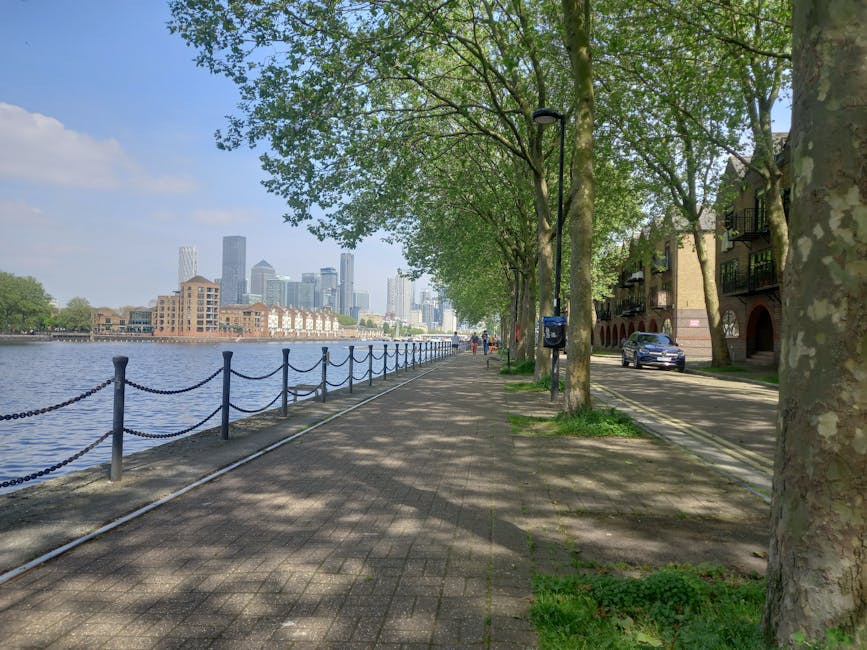
Packing and access guide for West India Quay flats
Moving into or out of a West India Quay flat can feel straightforward on paper, then suddenly complicated the moment you face lift bookings, concierge instructions, loading bays, packing timing, and awkward furniture dimensions. That is exactly why a Packing and access guide for West India Quay flats matters: it turns a stressful move into a controlled, well-planned process.
This guide is written for residents, landlords, tenants, and anyone organising a move in and around the dockside apartment blocks near Canary Wharf. It focuses on the practical side of packing, route planning, building access, and the small decisions that make a big difference on moving day. If you want fewer delays, less damage risk, and a smoother handover, start here.
For many flats in this part of London, the difference between a calm move and a difficult one is not strength or speed. It is planning. A carefully packed box, a measured sofa, a booked lift, and a clear arrival window can save more time than almost anything else.
Why Packing and access guide for West India Quay flats Matters
West India Quay is a modern riverside setting, but apartment moves in high-density developments have their own rhythm. Buildings often have managed access, shared entrances, lift controls, protected flooring, and specific rules for contractors. That means the move is not just about getting belongings from A to B. It is about getting them through the building without causing disruption.
Good packing and access planning reduces the most common moving-day problems:
- Boxes that are too heavy for lift transport or manual carry
- Furniture that does not fit through communal corridors or lift doors
- Missed booking windows with concierge or building management
- Long waits while a van circles for a loading spot
- Damage to walls, flooring, or items during tight manoeuvres
There is also a human benefit. A move can already feel hectic; nobody needs a last-minute debate about whether the wardrobe will fit the lift. Truth be told, that argument is rarely fun for anyone.
If you are arranging wider household support, services such as home moves and packing and unpacking services can be helpful when you want the job handled in a more structured way.
How Packing and access guide for West India Quay flats Works
The process works best when you treat packing and access as one plan, not two separate tasks. The packing side decides what can move safely and efficiently. The access side decides how that packed load gets in or out of the building.
In practical terms, this means you are answering a few simple questions early:
- Which items need dismantling before moving day?
- What can fit in the lift, and what must use stairs?
- Is there a loading bay, visitor bay, or time-restricted drop-off area?
- Does the building require a booking, permit, or security check-in?
- How long will unloading realistically take once the van arrives?
For flat moves, these details matter more than people expect. A well-packed box may be fine, but if it is too bulky to pass a corridor turn, it still becomes a problem. Likewise, a perfectly timed arrival is pointless if the lift is not booked and another resident is already using it.
Many movers also benefit from choosing the right transport size. A smaller load may suit a man and van arrangement, while larger flat moves may be better served by a dedicated moving truck or removal truck hire. The right fit usually saves time and frustration.
Key Benefits and Practical Advantages
The main benefit of proper planning is not simply convenience. It is control. Once access details and packing standards are clear, the rest of the move becomes much easier to manage.
Here are the advantages that matter most in West India Quay flats:
- Faster loading and unloading because boxes are labelled, stacked sensibly, and easy to place.
- Lower damage risk thanks to protective wrapping, padding, and fewer awkward last-minute moves.
- Fewer building delays when lift bookings and arrival times are aligned.
- Less stress for residents and neighbours because the move is more orderly and less disruptive.
- Better cost control since delays, extra trips, and wasted labour are reduced.
There is also a subtle advantage that people sometimes miss: good access planning makes communication easier. When you know exactly where the van will stop and which entrance will be used, everyone from the mover to the concierge is working from the same picture.
If you are relocating a business base or apartment workspace, it may also be worth looking at office relocation services or commercial moves for more structured support.
Who This Is For and When It Makes Sense
This guide is useful for anyone moving in or out of a flat at West India Quay, but it is especially relevant if your building has managed access, timed lift usage, or limited stopping space. If your belongings include a lot of furniture, fragile items, or awkwardly sized pieces, the value rises quickly.
It makes sense to use a packing and access plan if you are any of the following:
- A tenant moving from a studio, one-bed, or larger apartment
- A homeowner selling or buying a flat in a managed development
- A landlord arranging changeover logistics for furnishings or keys
- A professional needing a quick, low-disruption relocation
- Anyone with limited time and a firm move-out deadline
It also helps if you are moving on a weekday when the surrounding roads and building entrances are busier. In those cases, a sensible arrival window and clear access instructions are worth their weight in cardboard.
For smaller jobs, a simple man with van option may be practical. For bulkier moves or full flats, a more comprehensive service such as house removalists may offer the right level of support.
Step-by-Step Guidance
Below is a straightforward process you can follow. It is designed to keep the move organised without becoming overcomplicated.
1. Confirm building access details first
Before you seal a single box, check with the building manager or concierge about access rules. Ask about lift bookings, arrival times, loading points, parking restrictions, fob entry, and any protection required for common areas. If the building uses a specific contractor entrance, note that clearly.
2. Measure large furniture and tight routes
Measure sofa length, wardrobe width, mattress depth, and any item that might struggle through a corridor or lift. It is worth measuring door frames and turning points too. One inch in the wrong place can turn a simple move into an improvised puzzle.
3. Sort items by priority and fragility
Pack room by room. Group fragile items together and keep essentials separate. A flat move often works best when you pack an "open first" box for bedding, toiletries, chargers, and basic kitchen bits. That one box can make the first night feel far less chaotic.
4. Use the right packing materials
Choose sturdy boxes, strong tape, bubble wrap, paper for padding, mattress covers, and furniture blankets. Do not underestimate the value of proper tape. Weak tape has a curious talent for giving up at the least convenient moment.
5. Label every box clearly
Write the room, contents, and whether the box is fragile. If possible, add a floor or flat number when multiple stops are involved. Clear labels save time at both ends and reduce the risk of items being placed in the wrong room.
6. Prepare the route from flat to van
Think through the actual route: lift to lobby, lobby to loading bay, loading bay to van. Remove trip hazards, keep the path clear, and make sure heavier boxes are near the exit by the time the movers arrive.
7. Confirm timing with everyone involved
Coordinate with movers, concierge, neighbours if relevant, and anyone else affected by access. A fifteen-minute misunderstanding about the lift slot can create a much larger delay by the time the van is on site.
8. Keep essentials and documents with you
Carry passports, tenancy paperwork, keys, medicines, bank cards, and phone chargers separately. These should not disappear into the back of a van. You want them nearby, not buried under four boxes labelled "miscellaneous".
9. Do a final room check before departure
Open cupboards, inspect balconies, check behind doors, and look under beds. Flat moves often leave behind the smallest things: a charging cable, remote control, or one oddly important shoe.
Expert Tips for Better Results
The most reliable moves are rarely the flashiest. They are the ones where small habits add up.
- Pack heavier items in smaller boxes. Books and kitchenware are common culprits. Small boxes are easier to lift, stack, and carry through tight spaces.
- Protect corners and edges. Table tops, mirrors, and frames are especially vulnerable in corridors and lifts.
- Use colour-coded labels if you can. Even a simple system for bedroom, kitchen, and living room speeds things up.
- Take photos before dismantling furniture. This helps when reassembling beds, shelving, or modular storage.
- Keep one person responsible for access coordination. Too many people making separate calls can create mixed messages.
- Allow a buffer for lift delays. Residential buildings are shared spaces, and a small delay is normal. Planning for it avoids panic.
When moving in a managed development, calm and clarity beat last-minute improvisation almost every time. That is especially true if you are trying to protect both your belongings and the building environment.
Common Mistakes to Avoid
Most moving problems are predictable. That is actually the good news, because predictable problems can be prevented.
- Leaving access arrangements until the day before. This is one of the quickest routes to avoidable delays.
- Overfilling boxes. Heavy boxes split, slow everyone down, and are harder to move through lifts.
- Ignoring lift dimensions. If a sofa or wardrobe needs to be angled carefully, know that before the van arrives.
- Not checking parking or stopping rules. A van cannot unload effectively if it has nowhere practical to stop.
- Forgetting to protect floors and communal areas. Building management often expects care with shared spaces.
- Packing valuables without a separate plan. Important documents, electronics, and jewellery should be treated differently.
One of the most common errors is assuming that because a building looks modern, access will be easy. Sometimes it is. Sometimes the route is narrow, the lift is busy, or the loading point is not where you expected. A five-minute check can prevent a fifty-minute problem.
Tools, Resources and Recommendations
You do not need a warehouse full of equipment, but the right basics make a noticeable difference. The aim is not to overpack the kit; it is to avoid scrambling on moving day.
| Item | Why it helps | Best use |
|---|---|---|
| Strong double-walled boxes | Holds weight better and resists crushing | Books, kitchen items, mixed household goods |
| Packing paper and bubble wrap | Reduces impact and surface damage | Glassware, decor, electronics, framed items |
| Mattress and sofa covers | Keeps fabric clean during building transport | Soft furnishings and upholstery |
| Labels and marker pens | Makes sorting faster at delivery | Every box and bag |
| Furniture blankets and straps | Helps secure items in the van | Large furniture, appliances, and stacked loads |
If you want practical support rather than a do-it-yourself approach, services such as packing and unpacking services can reduce the workload considerably. For smaller collections of items, a furniture pick-up service may also be a useful option, especially if you are clearing one or two bulky pieces before or after the move.
For a more complete view of the company and its approach, it may also help to read the about us page before requesting support or to use the contact us page if you want to discuss access details directly.
Law, Compliance, Standards, or Best Practice
For flat moves in managed developments, the key issue is usually not a complicated legal question. It is following building rules, respecting shared spaces, and making sure the move does not create avoidable risk.
Best practice typically includes:
- Following concierge or building management instructions
- Using agreed loading points and time windows
- Protecting floors, walls, and lift interiors where required
- Ensuring vehicles are parked legally and safely
- Handling furniture and appliances in a way that reduces injury and damage risk
If you are arranging a move with outside help, it is sensible to review service terms carefully. For example, booking conditions and cancellation rules are usually set out in the provider's terms and conditions, while the handling of personal information may be explained in the privacy policy.
Where access is uncertain, it is better to confirm early than assume later. That sounds obvious, but on moving day obvious is exactly the kind of advice people are grateful for.
Options, Methods, or Comparison Table
Different moves call for different levels of support. The right choice depends on how much you own, how tight the access is, and how much time you have.
| Option | Best for | Strengths | Watch-outs |
|---|---|---|---|
| Self-pack and self-move | Very small moves with simple access | Most control, potentially lower cost | Time-consuming, more lifting, higher risk if rushed |
| Man with van | Studio or one-bed flat moves | Flexible, efficient for moderate loads | May need stronger planning for bulky furniture |
| Full removal team | Larger flats or complex access | More handling support, smoother logistics | Usually requires more coordination upfront |
| Packing service plus transport | Busy households or fragile contents | Less stress, more consistency, better protection | Needs clear communication about priorities and access |
There is no single "best" method for every West India Quay flat. A compact apartment with minimal furniture may be fine with a simple van booking. A larger flat with awkward furniture and strict access windows usually benefits from a fuller service structure.
Case Study or Real-World Example
Consider a typical move from a two-bedroom flat in a managed riverside block. The resident has a sofa, dining table, mattress, desk, TV unit, and several fragile boxes. The building has a lift booking slot, a concierge desk, and a designated service entrance.
In this kind of move, the smoothest outcome usually comes from doing three things early:
- Confirming the lift reservation and service entrance instructions a few days ahead
- Measuring the sofa and desk to ensure they can be moved without last-minute dismantling
- Using smaller boxes for books and heavier kitchenware so the crew can move them safely through the building
What often makes the biggest difference is not the biggest piece of furniture. It is the smallest planning win. For example, having the mattress covered, the lamp packed, and the hallway cleared can shave meaningful time off the handover. The move feels quieter, cleaner, and less chaotic.
In practice, residents who combine access planning with organised packing tend to experience fewer interruptions and fewer "we should have checked that" moments. Those moments are never the highlight of a moving day.
Practical Checklist
Use this checklist in the final days before moving.
- Confirm lift booking, access times, and any concierge requirements
- Check parking, unloading, and vehicle stopping arrangements
- Measure large furniture and compare it to door, corridor, and lift dimensions
- Pack heavy items in small boxes
- Label every box by room and contents
- Protect fragile items with padding and proper wrapping
- Disassemble furniture if needed, and keep fixings in labelled bags
- Prepare an essentials box for the first 24 hours
- Keep documents, keys, and valuables with you
- Clear corridors, entrances, and the route to the loading point
- Do a final check of cupboards, balcony areas, and storage spaces
- Share access notes with the mover or van driver before arrival
Expert summary: The safest way to move a West India Quay flat is to treat packing, access, and timing as one job. Once those three pieces line up, everything else becomes much easier to manage.
Conclusion
A move in West India Quay does not need to be difficult, but it does need to be deliberate. The flats may be modern, the routes may be short, and the view may be excellent, yet access controls and shared building spaces still demand proper planning. The best results come from sensible packing, accurate measurements, early access checks, and a realistic moving schedule.
If you remember nothing else, remember this: a flat move is won long before the van arrives. When your boxes are organised, your furniture is measured, and the building knows what is coming, the day itself becomes far more manageable. That is the real value of a strong packing and access plan.
If you are ready to make the move easier, speak with a local team that understands flat access, building restrictions, and the practical realities of moving day in this part of London.
Get a free quote today and see how much you can save.
Frequently Asked Questions
Do West India Quay flats usually have strict access rules?
Many managed apartment buildings do have access rules, especially around lift use, service entrances, loading areas, and moving hours. The exact requirements depend on the building, so it is always best to confirm with concierge or building management before move day.
What is the best way to pack boxes for a flat move?
Pack by room, keep heavy items in smaller boxes, and label everything clearly. Fragile items should be wrapped individually and padded well so they do not shift during transport. A sensible packing system saves time at both ends.
Should I book the lift before moving day?
Yes, if your building requires lift booking, reserve it as early as possible. Lift access is often one of the biggest factors in a smooth apartment move, and it is much easier to plan around a confirmed slot than to wait and hope one becomes available.
What if my sofa or wardrobe will not fit through the lift?
Measure the item and the access route before moving day. If it will not fit, the piece may need dismantling, specialist handling, or a different route. It is far better to know that in advance than discover it when the crew is already on site.
Is a man and van service enough for a flat in West India Quay?
It can be, especially for smaller flats or lighter loads. For larger furniture or more complicated access, a fuller moving service may be more efficient. The right choice depends on how much you are moving and how tight the building access is.
How early should I start packing?
Most people benefit from starting non-essential packing several weeks ahead, then leaving daily-use items until closer to the move. If you have a lot of books, kitchenware, or decorative items, give yourself extra time. Packing in a rush is rarely elegant.
Can movers help with unpacking as well?
Yes, some providers offer unpacking support as part of a wider relocation service. This can be especially useful if you want to settle in quickly or reduce the strain on move day. It is worth asking about this when comparing options.
What should I keep with me on the day of the move?
Keep keys, identification, essential documents, medication, phone chargers, valuables, and any immediate-use items with you. These should not be placed in the van load if you may need them during the day.
Do I need to protect communal areas during the move?
In many managed buildings, yes. Floor protection, careful handling, and clean routes are standard expectations. This is not just about courtesy; it also helps reduce the risk of damage and disputes later.
What is the biggest mistake people make when moving flats?
Leaving access planning too late is probably the most common mistake. People often focus on packing first, but in apartment moves the route, lift, and parking plan are just as important as the boxes themselves.
How do I decide between a moving truck and a smaller van?
Think about volume, furniture size, and how many trips you want to avoid. A smaller load may work well with a van, while a fuller flat move is often better suited to a larger vehicle. If you are unsure, describe the contents and access conditions before booking.
Where can I get help if my move is more complicated than expected?
You can review the available service pages, including home moves, house removalists, and contact us to discuss your access requirements and moving timeline in more detail.